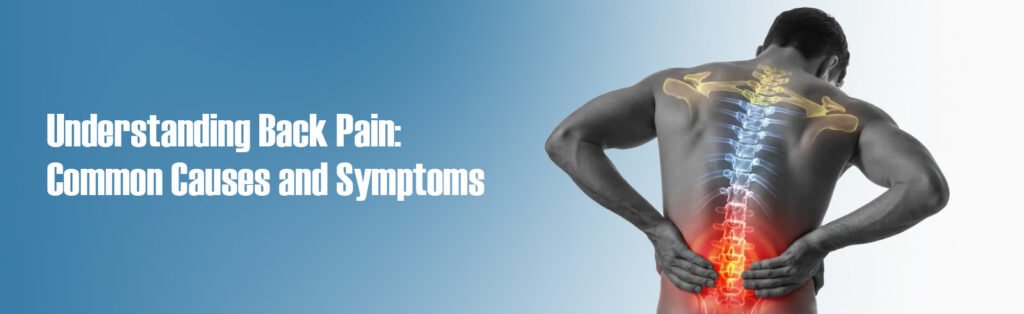
Back pain can affect the upper, middle or lower back. Most episodes come from mechanical strain, but many structures in the spine can be pain-sensitive, including muscles, ligaments, facet joints, discs, bones and nerves. Common causes include:
Symptoms vary with the cause, but often include stiffness, pain that worsens with sitting or bending, pain spreading into the buttock or leg, and tingling or numbness. Sciatica is only one possible cause, which is why a proper assessment matters.
Your first visit begins with a detailed conversation about your symptoms, daily activities, medical history and previous treatment. Your specialist then examines your posture, movement, strength and nerve function, and reviews any scans or reports you bring. Further tests are suggested only when they are likely to change your treatment.
Where helpful, your plan may involve our neurologist, physiotherapists, dietitian, endocrinologist or clinical psychologist, so that stress, sleep, weight and associated health conditions are considered alongside your spine.
Not every patient needs a procedure. Treatment depends on your diagnosis, symptoms and response to earlier care.
Our physiotherapists assess movement, strength, flexibility and posture. Your programme may include targeted exercises, manual therapy, TENS, dry needling, and heat or cold therapy, with advice to help prevent recurrence.
Most mechanical back pain improves with appropriate medication, activity modification and posture or ergonomic guidance. We usually begin here unless your symptoms point elsewhere.
If medication has not helped, epidural injections may help settle irritated spinal nerves, particularly when disc problems cause leg pain. Epidurolysis is another minimally invasive option our specialists may consider alongside physiotherapy.
When the small facet joints are the pain source, radiofrequency ablation targets the nerves carrying that pain signal. It may give longer-lasting relief in carefully selected patients, and our clinic uses cooled radiofrequency technology.
Pain around the lower back and pelvis can arise from the sacroiliac joint or nearby muscles. Targeted injections and peripheral muscle plane blocks can calm pain enough for rehabilitation to progress.
Persistent pain after spine surgery is assessed to find its cause, and minimally invasive treatment may help depending on what is found. For resistant cases involving nerve root pain (radiculopathy), spinal cord stimulation may be discussed.
Go to an emergency department immediately if back pain comes with new difficulty controlling your bladder or bowels, numbness around the groin or inner thighs, or rapidly worsening leg weakness. Seek urgent care too if pain follows a significant fall or injury, or comes with fever, unexplained weight loss or a history of cancer.
Book a consultation if pain lasts more than a few weeks, keeps returning, wakes you at night, spreads down the leg, or limits your daily activities.
You do not have to manage back pain alone. Book an appointment at our Kompally or Secunderabad clinic (Monday to Saturday, 10 AM to 8 PM), or call +91-8790014820 (Kompally) or +91-8977030500 (Secunderabad). Please bring previous scans, reports and a list of your current medicines.


